
Gartner® Market Guide
Compare data masking, anonymization, and synthetic data methods
Traditional data masking has its limits. This Gartner® guide explores the tradeoffs between masking, anonymization, tokenization, and synthetic data generation — helping you overcome utility challenges, support AI and LLM use cases, and identify the best alternative for your enterprise.
Get the Gartner report
Inside the report
Compare all data privacy methods
Benchmark masking, anonymization, tokenization, and redaction against synthetic data generation to find your ideal mix.
Identify masking strengths and limits
See where masking works and where it fails to maintain referential integrity in modern environments.
Balance privacy, realism, and utility
Evaluate synthetic data generation as a high-fidelity alternative to traditional methods when data utility is your top priority.
Evaluate vendors and market fit
Get Gartner’s view of the vendor landscape, including key capabilities and criteria for selecting your next privacy tool.
Why traditional masking fails modern data requirements
Legacy masking creates a "utility gap" that stalls testing, analytics, and AI workflows:
- Masking breaks referential integrity: Inconsistent data across related tables, databases, and test environments impedes testing
- Masking destroys data utility: Lack of statistical utility for analytics and AI
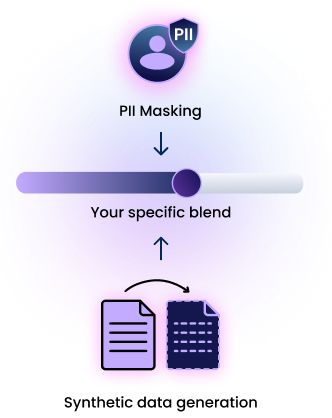
- The shift to synthetic data: Replace masking with synthetic data generation
Who should read this report
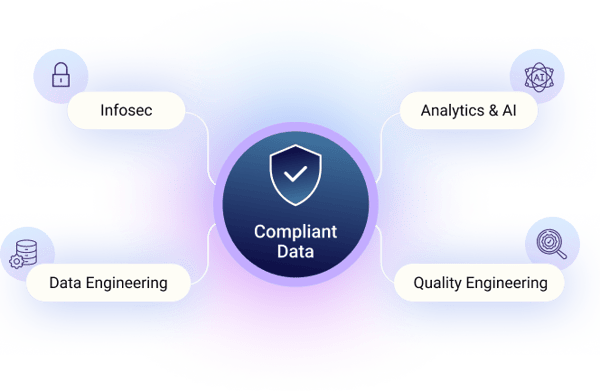
- Infosec: Compare modern data privacy and compliance methods
- Data engineering: Solve referential integrity and consistency challenges
- Analytics & AI: Evaluate methods for privacy-safe, high-utility data
- Quality engineering: Provision realistic data for compliant testing g