




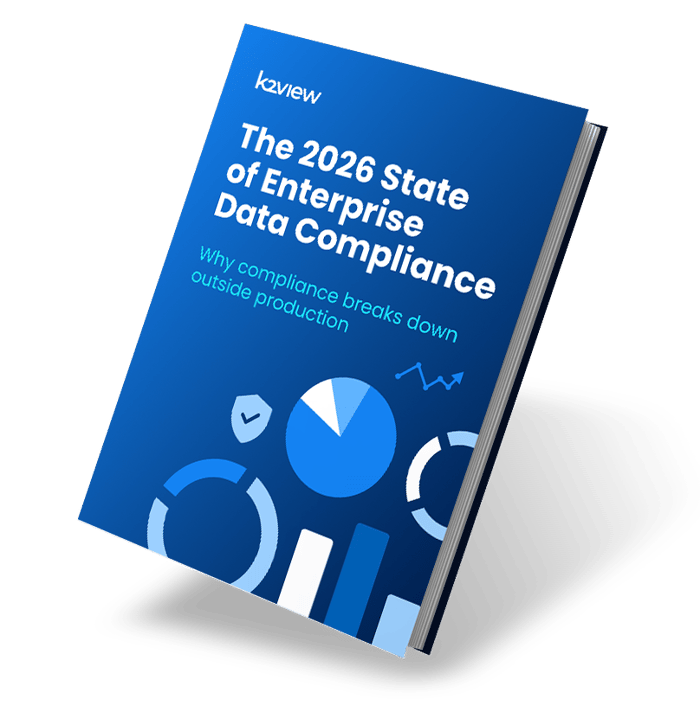
The 2026 State of Enterprise Data Compliance
96% of enterprises are not fully compliant outside production
Enterprises report strong compliance in production systems. But that confidence drops sharply once sensitive data moves into development, testing, analytics, and GenAI environments.
The non-production exposure gap
Sensitive data incidents now common outside production
-
71% internal compliance failures
-
12% ransomware or security incidents
-
7% confirmed data breaches
Most organizations focus compliance controls on production systems.
But sensitive data is routinely copied into development, testing, analytics, and AI environments where governance is weaker. As a result, many reported incidents now originate outside production.
Most reported incidents now originate outside production.
The modernization blind spot
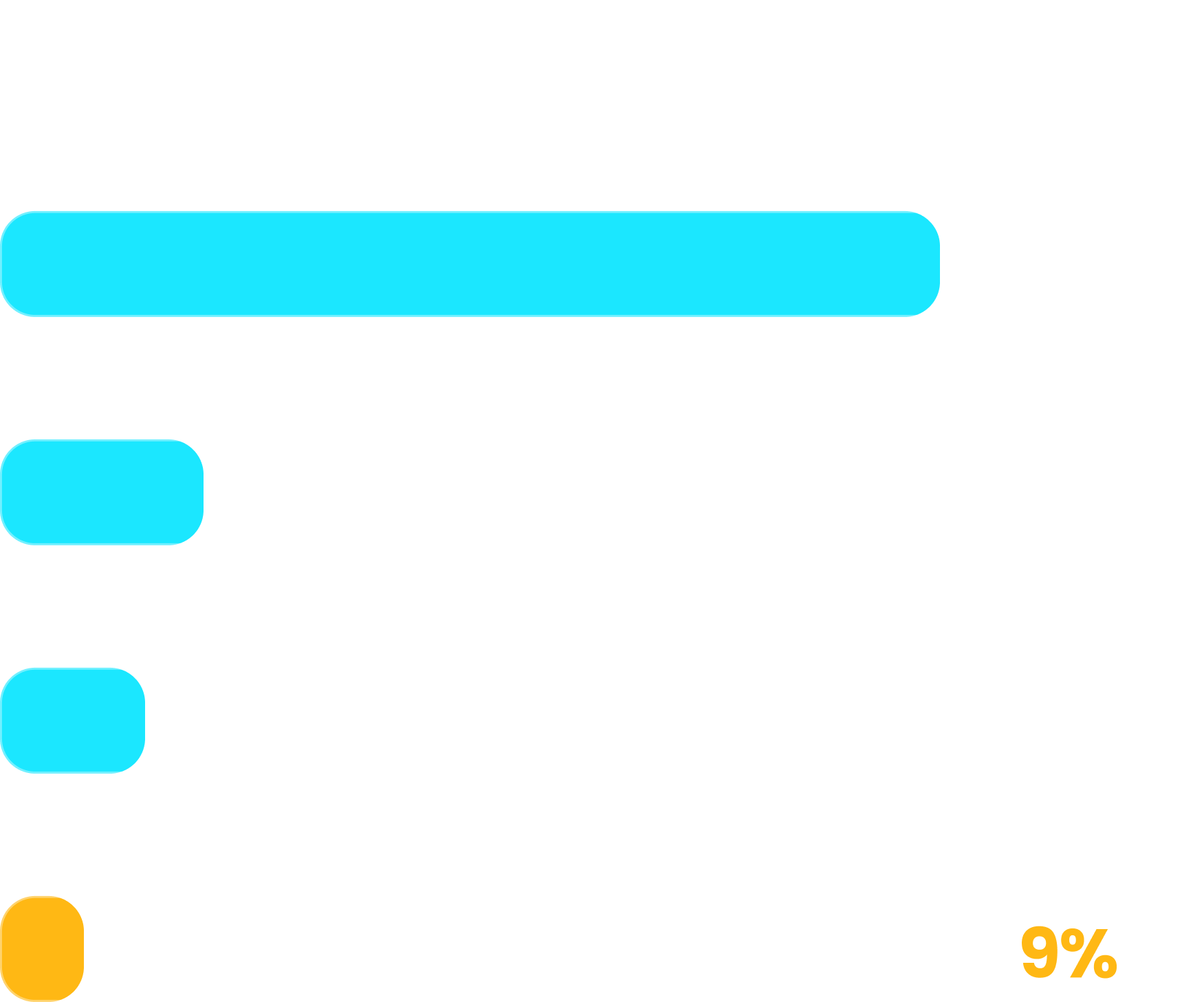
Only 9% report are fully confident they can discover sensitive data in data lakes
-
88% confidence in SQL databases
-
15% in mainframe and midrange systems
-
13% in NoSQL databases
As workloads shift from relational databases to modern distributed platforms, visibility drops sharply. You can't protect sensitive data if you can't find it.
Compliance breaks down downstream
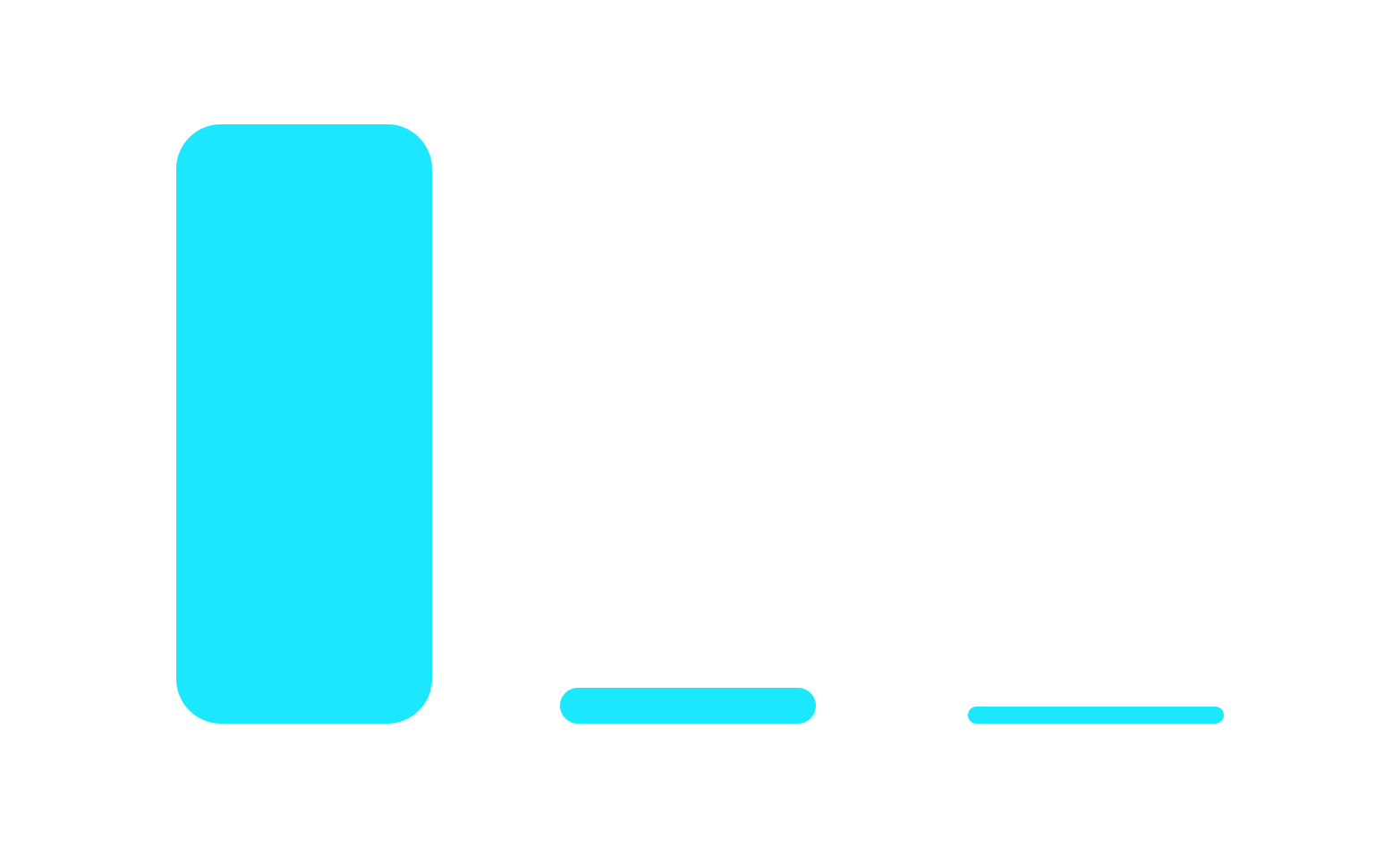
Only 4% report full compliance in development & test environments
-
88% report full compliance in core production HR/HCM systems.
- 4% report full compliance in dev and test environments
-
2% report full compliance in AI environments.
Organizations report strong compliance in core HR/HCM production systems.
But that confidence drops sharply as data moves downstream into development, analytics, and AI environments. As sensitive data is reused across these environments without consistent protection, the overall compliance posture weakens.
Copy sprawl and the velocity tax
Enterprise data sprawl is driving compliance risk
-
Enterprises with 10,000+ employees maintain an average of 55 data copies.
-
85% suffer slower release cycles due to legacy masking processes.
As data copies multiply across development, testing, and analytics environments, the compliance exposure surface expands.
Many organizations still rely on slow, manual masking processes to protect these copies, which adds friction to software delivery and slows release cycles.

The GenAI governance gap
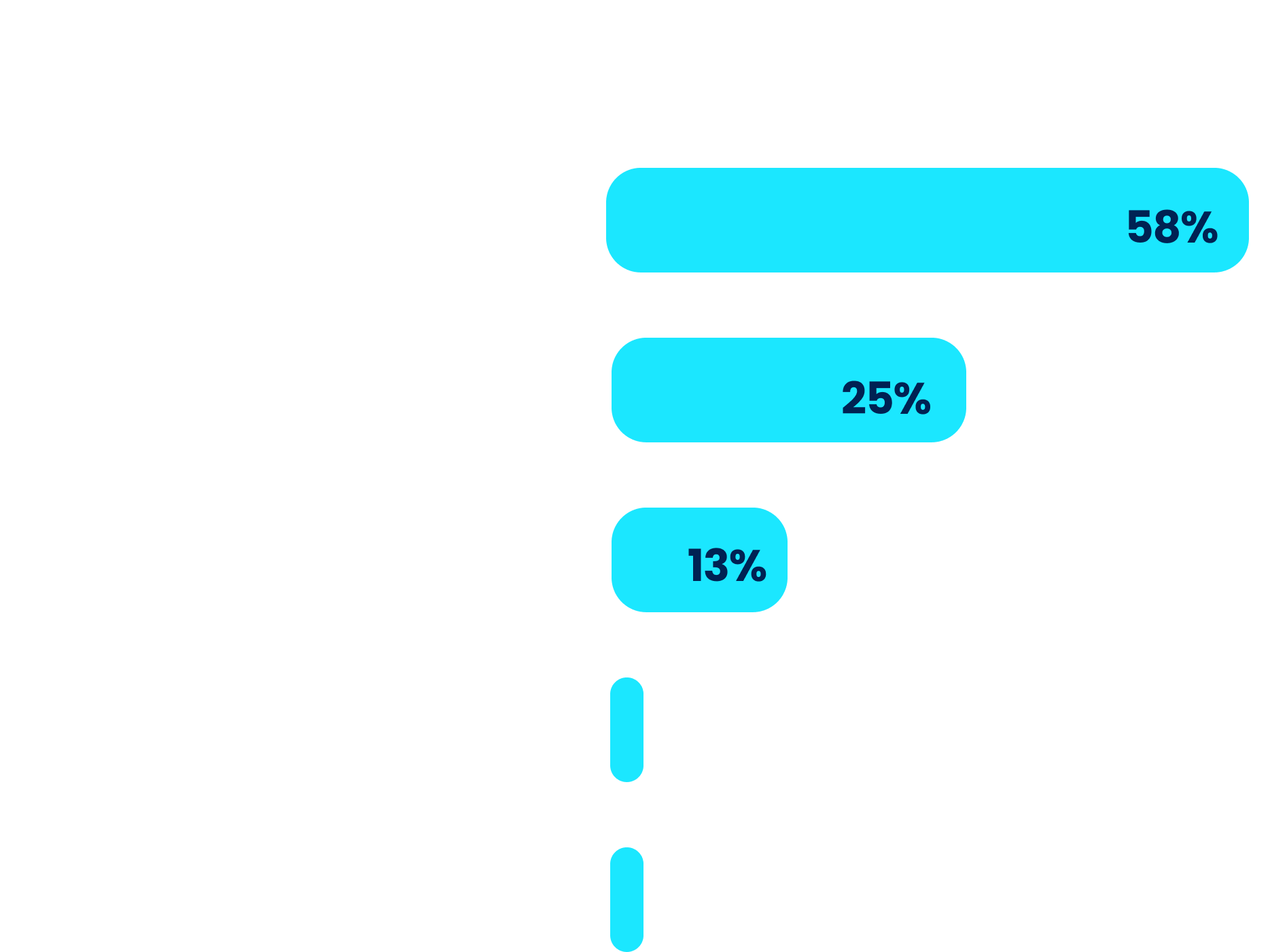
Only 13% have technical controls preventing sensitive data from entering GenAI systems.
-
98% of enterprises report using GenAI tools.
-
Most rely on policy alone or have no technical controls.
AI adoption is accelerating much faster than technical controls.
Many organizations still rely on employee behavior rather than enforced guardrails to prevent sensitive data from entering AI systems.
The synthetic data reality
Synthetic data adoption remains limited
-
79% cite realism and accuracy concerns as the primary barrier.
Synthetic data is widely discussed, but it is not yet the default strategy in regulated enterprises. Concerns around analytical fidelity and testing validity continue to slow adoption.

The compliance gap
across modern data environments

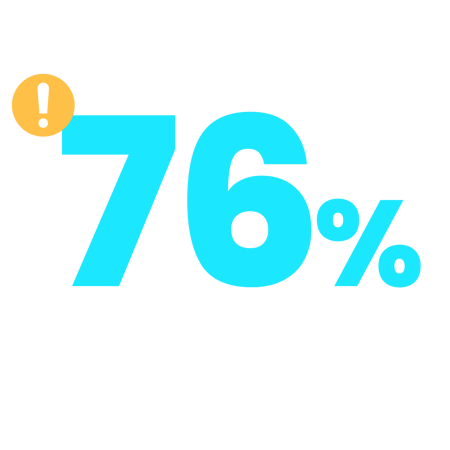
76%
Experienced a sensitive data incident in non-production environments in the past 3 years.

9%
Are fully confident they can discover sensitive data in data lakes.


